
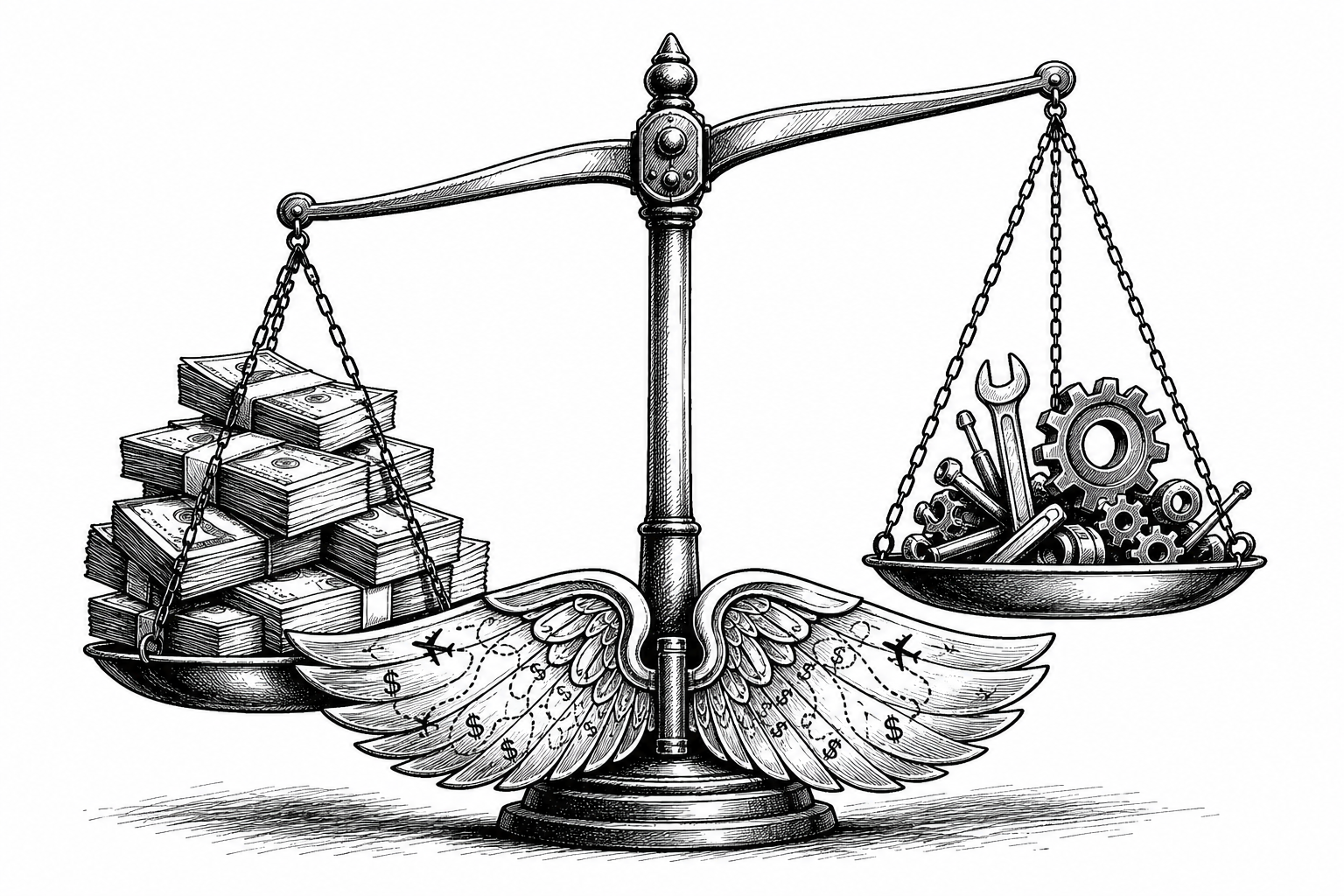
In a decisive move that could reshape the financial landscape of the airline, United Airlines flight attendants have ratified a new labor agreement that grants them a staggering 31% pay raise. This development marks the first wage increase for these workers in nearly six years, a period characterized by stagnant wages amid soaring operational challenges in the airline industry.
The implications of this agreement extend beyond the flight attendants themselves, potentially altering the entire operational framework of United Airlines ($UAL). Increased labor costs are a double-edged sword; while they highlight the company's commitment to its workforce, they also raise questions about profitability and cost management going forward.
Operational Reliability and Cost Structure
One of the key benefits of this pay increase is its potential to enhance operational reliability. A well-compensated workforce is often a more motivated one, which can translate to better performance and fewer disruptions in service. This could be particularly crucial for United Airlines as it continues to navigate the complexities of post-pandemic recovery, where operational efficiency is paramount.
However, the other side of the coin is the impact on United's cost structure. The 31% wage increase will undeniably add pressure to the airline's expenses, which could squeeze margins in the short term. Investors will need to carefully weigh these increased costs against potential revenue growth as travel demand continues to rebound.
Investor Considerations
From an investor's perspective, the ratification of this labor agreement could signal both opportunities and challenges. On one hand, a more stable and satisfied workforce may lead to improved customer service and operational efficiencies, fostering a more robust recovery in passenger numbers and revenues. On the other hand, the rising labor costs could constrain profit margins, particularly if the airline fails to pass these costs onto consumers through fare increases.
The market's reaction to this news could be telling. Historically, labor agreements of this magnitude can lead to short-term volatility in airline stocks as investors recalibrate their expectations regarding profitability. In the long run, however, companies that successfully manage heightened labor costs while enhancing service quality tend to emerge stronger.
Conclusion
In summary, the 31% pay raise for United Airlines flight attendants is a significant event with far-reaching implications for the airline's operational efficiency and financial outlook. Investors should monitor how United manages these increased labor costs in the context of a recovering travel market. The balance between maintaining a satisfied workforce and controlling expenses will be critical in shaping the company's profitability trajectory in the coming years.
For more information, you can read the full details of the labor agreement on CNBC.