
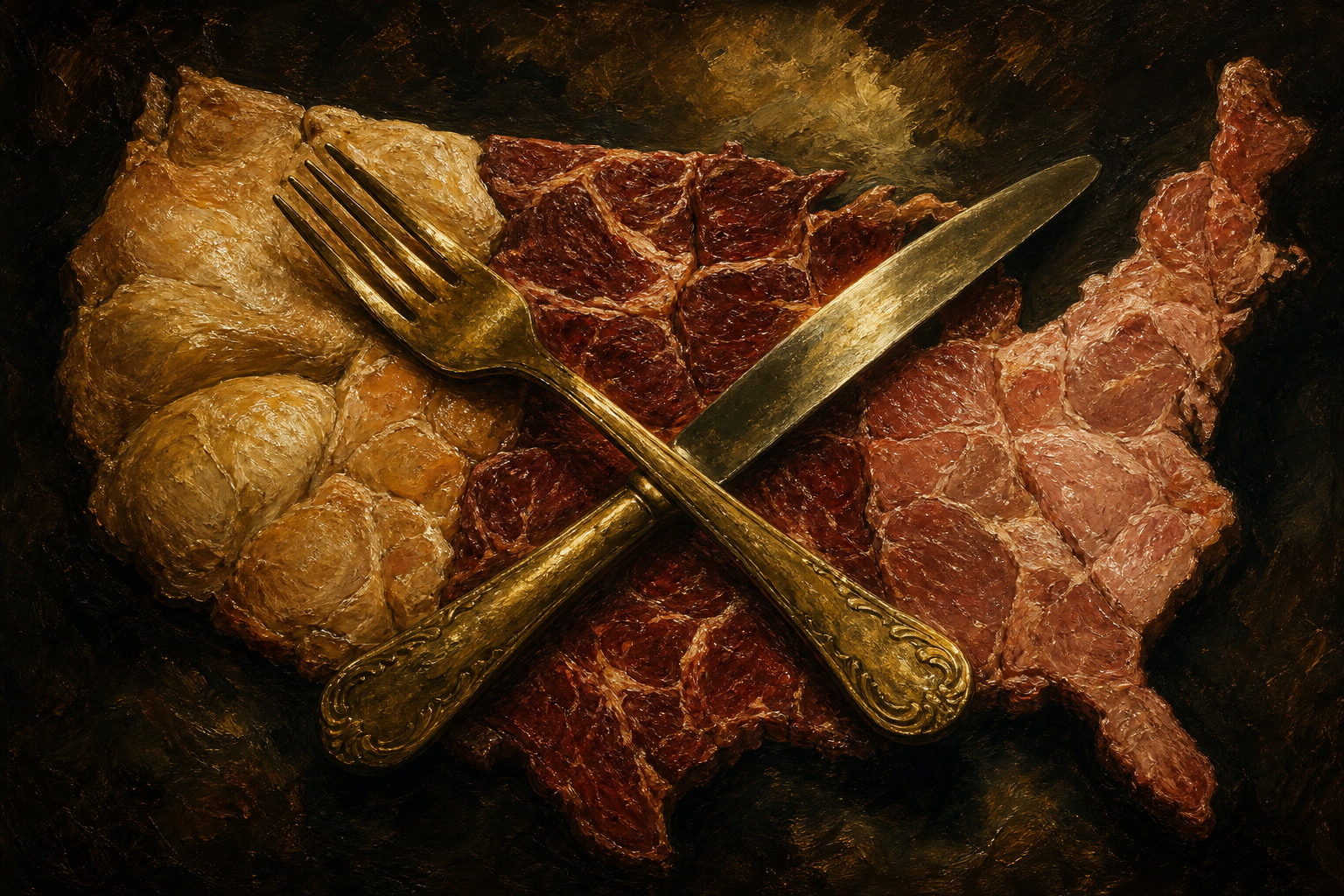
When a controlling shareholder moves to buy out minority holders, the message is rarely subtle: it's time to own the whole picture. That's the signal JBS is sending with its proposal to acquire the remaining shares of Pilgrim's Pride ($PPC), a move that underscores the relentless consolidation reshaping America's protein supply chain.
JBS, already the controlling shareholder of Pilgrim's Pride, is making a straightforward play: full ownership. The proposal, reported on August 19, 2026, carries implications far beyond a single transaction. It speaks to how the world's largest meat processor views the future of US poultry—and by extension, the competitive landscape for every protein producer watching from the sidelines.
The Consolidation Imperative
Majority ownership isn't always enough in capital-intensive industries like poultry processing. Minority shareholders can complicate strategy, constrain capital allocation, and create friction in execution. When a dominant player moves to full ownership, it typically signals confidence in the business and a desire to unlock operational flexibility.
For JBS, complete control of $PPC would streamline decision-making across one of America's largest poultry operations. It eliminates the need to negotiate with outside investors on matters ranging from facility investments to market positioning. In an industry where margins matter and scale is currency, that autonomy carries real value.
Ripples Across the Poultry Sector
The proposal also sends a message to competitors and market participants. Consolidation in poultry has been a defining trend for decades, but each major move raises questions about market concentration, pricing power, and competitive dynamics.
A fully-owned Pilgrim's Pride under JBS control could reshape how the company competes on cost, invests in automation, or pursues strategic partnerships. Rivals will be watching closely to see whether JBS uses tighter control to drive operational improvements, expand market share, or both. The poultry sector—already dominated by a handful of major players—could see shifts in competitive positioning if JBS accelerates investment or changes pricing strategies post-acquisition.
For suppliers, customers, and other industry participants, the question becomes whether full JBS ownership of $PPC increases or decreases competitive pressure. History suggests that consolidation often leads to efficiency gains, but it can also concentrate market power in ways that reshape supplier relationships and customer negotiations.
The Bigger Picture: Protein Industry Consolidation
Buyout proposals like this one reflect broader trends in the US protein and food industry. Over the past two decades, consolidation has accelerated across beef, pork, and poultry sectors. Major players have pursued vertical integration, geographic expansion, and operational scale to compete globally and manage cost pressures.
JBS's move fits that pattern. As a global giant with operations across multiple protein categories and geographies, the company has consistently pursued strategies to strengthen its US footprint. Full control of Pilgrim's Pride—one of the nation's largest poultry producers—aligns with that playbook.
What makes such proposals significant isn't just the transaction itself, but what it signals about industry direction. When controlling shareholders move to eliminate minority interests, it often indicates confidence in the business and a long-term commitment to the asset. For an industry watching capital deployment and competitive strategy, that matters.
What Comes Next
The proposal is now in the market. How minority shareholders respond, what regulatory scrutiny the deal may face, and the ultimate terms could all shape the outcome. But the strategic intent is clear: JBS wants undivided control of a major piece of America's poultry supply chain.
For investors, employees, and competitors, the implications are worth monitoring. Consolidation in protein production affects everything from farm-gate prices to grocery store shelves. A fully-owned Pilgrim's Pride under JBS could accelerate that consolidation—and all the competitive shifts that come with it.
Bull/Bear Verdict
Bull Case: Full JBS ownership of $PPC could unlock operational efficiencies, streamline capital allocation, and position the company to compete more aggressively in US poultry markets. Consolidation may enable faster decision-making and investment in automation or supply chain improvements.
Bear Case: Further consolidation in poultry raises concerns about market concentration and competitive dynamics. Minority shareholders may face pressure to accept unfavorable terms, and the deal could signal reduced competitive choice for suppliers and customers in an already concentrated sector.